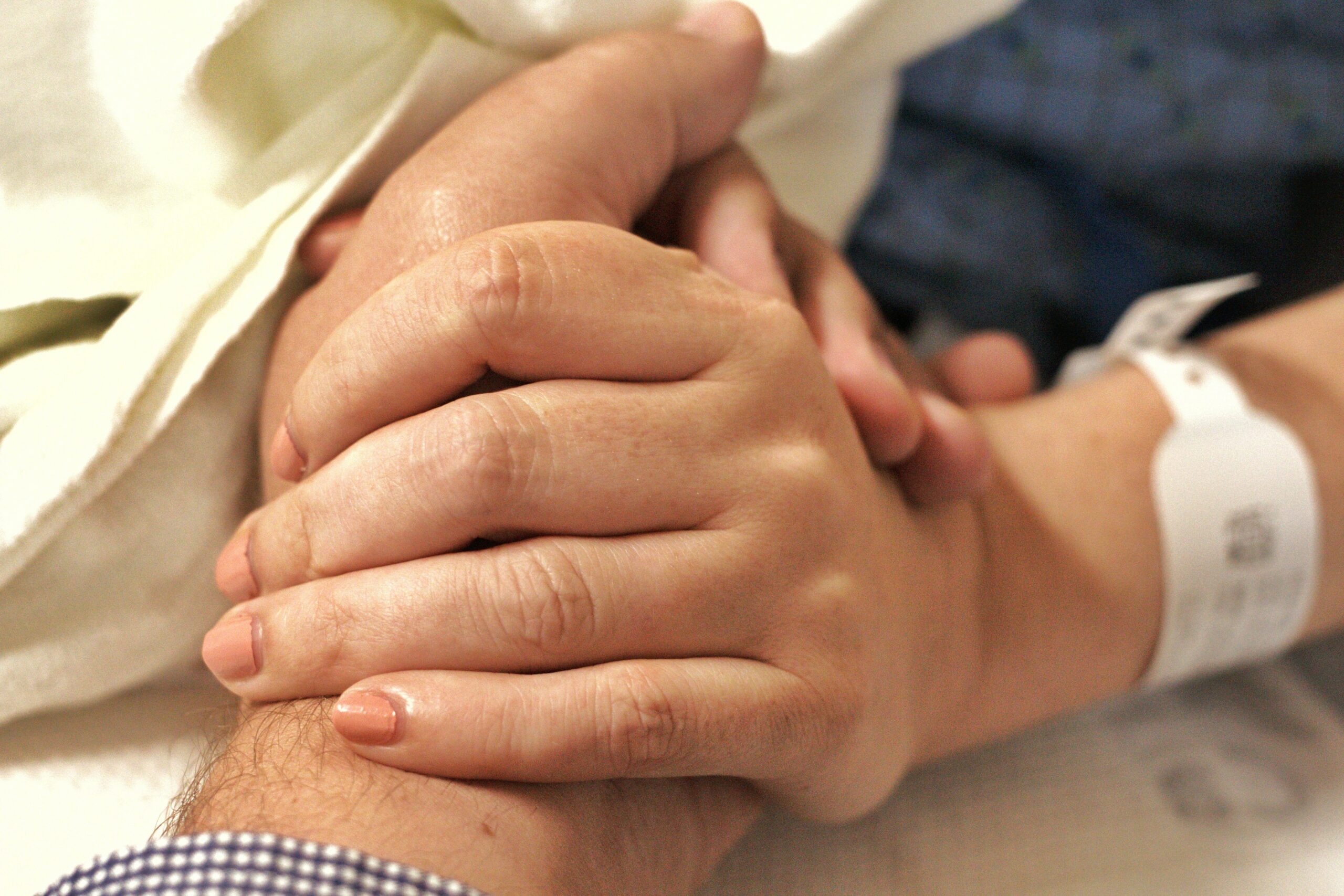
Owing to the growing aging population in the United States, hospice is no longer a small corner of Medicare. MedPAC found that 52.9% of Medicare decedents used hospice in 2024, representing a new high.
For hospice administrators, more patients also bring more claims, certifications, eligibility checks, documentation, and reimbursement activity into the daily workload. Billing is where much of this pressure lands, since each claim depends on notes, certifications, and visit records agreeing.
Moreover, deciding which services belong within hospice payment and which can be billed separately is not always straightforward. The Center for Medicare & Medicaid Services (CMS) reports a 6.8% improper payment rate for non-hospital-based hospice services, which equals a projected $1.6 billion.
As an administrator, knowing which billing challenges are causing delays makes it easier to plan the right response. Below, we have outlined the key issues that can slow hospice care revenue.
Hospice claims depend heavily on clinical records supporting the patient’s condition, prognosis, care needs, and continued eligibility. Problems begin to crop up when notes are incomplete, inconsistent, or too vague to support what appears on the claim.
A missing symptom update or unclear description of disease progression can create extra review before billing moves forward. Similar issues can arise during recertification when documentation does not clearly explain why hospice care remains appropriate.
Health care attorney Bryan Nowicki highlighted this problem in a 2025 Hospice News interview. “What we’ve seen is really a demand that [hospices] don’t just identify a series of clinical factors … but apparently [auditors] think that there should also be a section of the narrative that includes more of an explanation.”
Billing teams may then need to return records to clinicians, request clarification, or hold claims until supporting information is complete. Each round of follow-up adds another step between care delivery and reimbursement.
A useful first step is to create clear documentation standards for admissions, recertifications, symptom changes, and major care events. Clinical and billing teams can then review the same required fields before claims enter the submission queue.
As an added step, hospice organizations can involve a clinician who specializes in the ongoing management of acute and chronic conditions. A Family Nurse Practitioner (FNP) can work alongside billing specialists to identify where clinical documentation needs greater detail before a claim moves forward.
These professionals have a Master of Science in Nursing (MSN). They earn additional clinical training through Family Nurse Practitioner (FNP) programs focused on diagnosis and long-term care, notes Wilkes University.
Once nurses receive extensive training at a family nurse practitioner graduate school, they can effectively interpret clinical findings. They can also explain the reasoning behind a prognosis in clear chart language.
An FNP can apply that clinical judgment when reviewing symptom progression, care needs, and other documentation tied to hospice eligibility. The billing team can then focus on coding, claim requirements, payer rules, and reimbursement follow-up.
Hospice billing can become endlessly complicated when a patient receives services outside the hospice organization during an active election. The billing team needs to determine whether each service relates to the terminal illness or an associated condition.
Services tied to those conditions are generally covered under the hospice benefit. Problems arise when hospitals or other providers bill Medicare separately for care already included within the hospice payment.
A 2024 HHS Office of Inspector General audit shows how easily this can happen. Of 100 sampled outpatient service items billed separately for hospice enrollees, 70 did not meet Medicare requirements. The services were related to terminal illnesses or related conditions and were already covered through hospice payments.
Unclear service classifications can trigger claim questions, additional documentation requests, corrections, and coordination with outside providers. Each extra step can keep claims open longer and delay reimbursement.
A hospice election sets a filing deadline in motion from the very first day. The Notice of Election (NOE) must be filed and accepted by the Medicare contractor within 5 calendar days. If a filing runs late, Medicare does not cover the days between the election date and NOE acceptance.
Those days become the hospice’s own cost, and the claim must report them as non-covered. Care was still delivered in full, so the revenue for that window never arrived. Small slips can trigger this, such as a typo in a beneficiary number that keeps the NOE from being accepted.
Admissions happen on weekends or late in the day, and paperwork can wait while clinical teams focus on the patient. Five days pass quickly, and only a narrow set of exceptions can undo a missed deadline.
Start by reading the denial reason and remark code, then gather the records that address it. A redetermination request goes to the Medicare contractor within 120 days of receiving the notice. Filing sooner leaves more time for a second-level reconsideration if needed.
Medicare contractors generally allow 45 days to respond to an additional documentation request (ADR). Late or incomplete responses can lead to denials, so log each request when you receive it and assign a clinical reviewer and a billing owner.
The aggregate cap limits the total Medicare payments a hospice can keep in a cap year. The limit scales with the number of beneficiaries served. Amounts above it must be repaid, so tracking exposure during the year supports steadier planning.
Key data point | What it shows |
52.9% | Share of Medicare decedents who used hospice in 2024, according to MedPAC |
6.8% (projected $1.6 billion) | Improper payment rates for non-hospital-based hospice services, according to CMS |
70 of 100 | Sampled outpatient services billed separately that did not meet Medicare requirements, with an estimated $190.1 million in savings, according to HHS OIG |
5 calendar days | Window to file and have the Notice of Election accepted before days become non-covered |
Hospice billing works better when the process leaves fewer places for information to get lost or misunderstood. No organization can wholly avoid every denial, correction, or payer question, especially when care needs can change quickly.
Still, many delays become easier to manage when the right people see the right information earlier. For administrators, the payoff is not just faster reimbursement.
It’s also a calmer process with fewer repeated handoffs and fewer claims sitting unresolved longer than necessary. Over time, small improvements in how teams communicate and review claims can give hospice revenue a steadier rhythm without adding more complexity to the work.