In medical billing, correct modifier usage can mean the difference between a clean claim and a denied claim. One of the most commonly misunderstood modifiers is modifier 51. While it looks simple, using it incorrectly can delay reimbursements, create compliance risks, and confuse payers.
ICD-10 Code F33.0 is a billable diagnosis code used for the reimbursement and classification of major depressive disorder (MDD), recurrent, mild. It replaces the ICD-9 code 296.31 and falls under the category of mood affective disorders.
The F43.12 diagnosis code is an ICD-10 billable code used to classify Post-Traumatic Stress Disorder (PTSD), chronic.
This code applies when a patient’s PTSD symptoms last longer than 3 months and continue to interfere with daily functioning, relationships, or work.
Adjustment disorders are among the most commonly diagnosed mental health conditions in both clinical and primary care settings. The ICD-10-CM code F43.23 represents Adjustment Disorder with Mixed Anxiety and Depressed Mood, a condition.
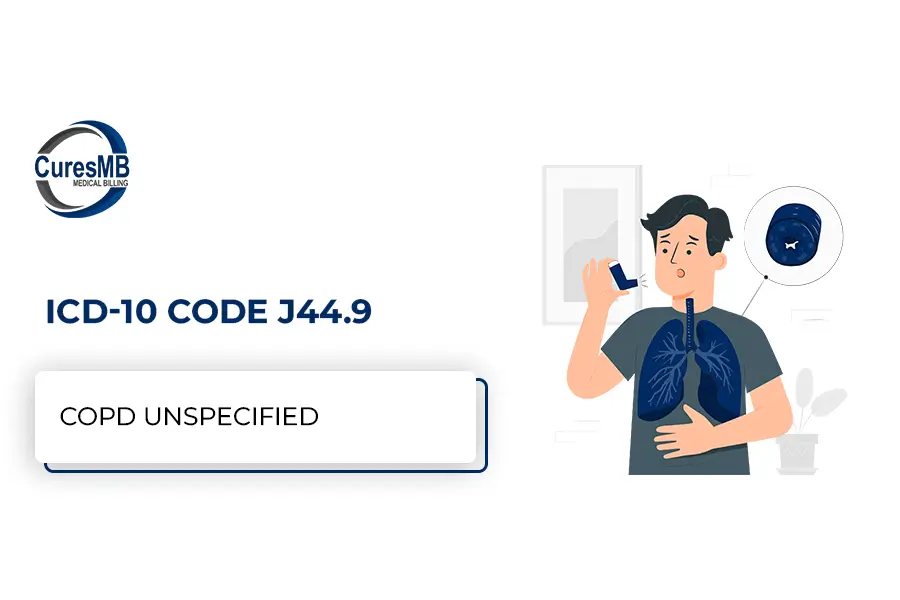
Understanding the correct ICD-10 code is critical for accurate billing, reimbursement, and compliance. ICD-10 Code J44.9 refers to Chronic Obstructive Pulmonary Disease (COPD), unspecified.
ICD-10 i50.9 diagnosis code refers to heart failure, unspecified, and is used when a provider does not specify systolic, diastolic, or combined heart failure. It is crucial for accurate billing and revenue cycle management to ensure claims reflect proper diagnosis and treatment.
The G47.33 diagnosis code is used for Obstructive Sleep Apnea (OSA). This sleep disorder is categorized by repeated suspensions in breathing or light breathing (hypopnea) during sleep due to partial or complete upper airway collapse.
Anemia takes place when hemoglobin levels down or when the body has fewer red blood cells than normal. This situation often leads to symptoms such as tiredness, pale or yellowish skin, dizziness, and trouble breathing. Physicians often use D64.9 as a temporary code while wait for test results.
ICD-10 code F33.1 describes Major Depressive Disorder, recurrent, moderate. This condition involves repeated episodes of clinically significant depression that interfere with daily functioning.
Efficiency & precision in healthcare financial management with Cures Medical Billing, your trusted partner for smarter, faster, and more accurate billing solutions.