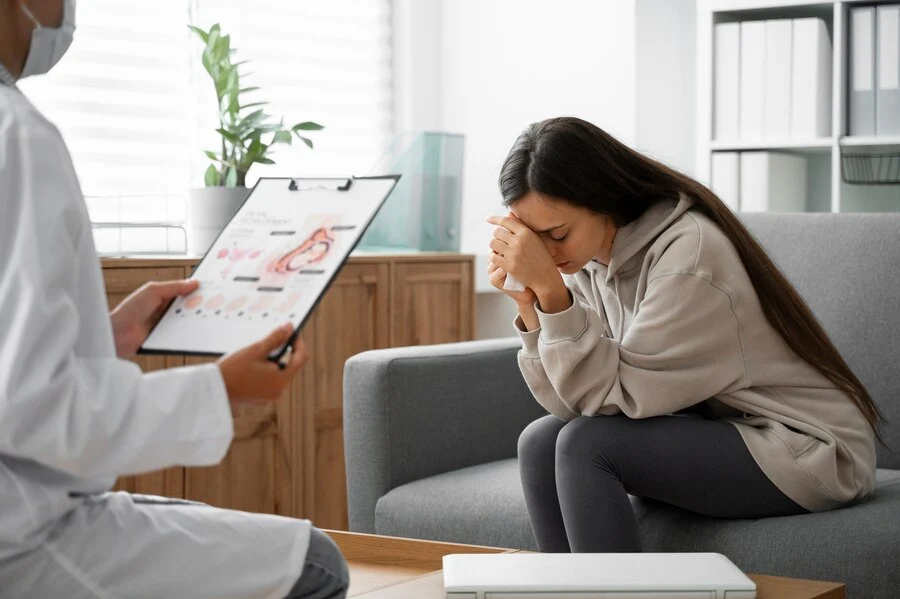
Anxiety is one of the most common mental health issues, yet not every case fits neatly into a diagnostic box. That’s anywhere unspecified anxiety disorder (ICD-10 code F41.9) comes into play. In this guide, we’ll break down its real-world application, how to understand the DSM-5 criteria, and what billing professionals and providers need to know.
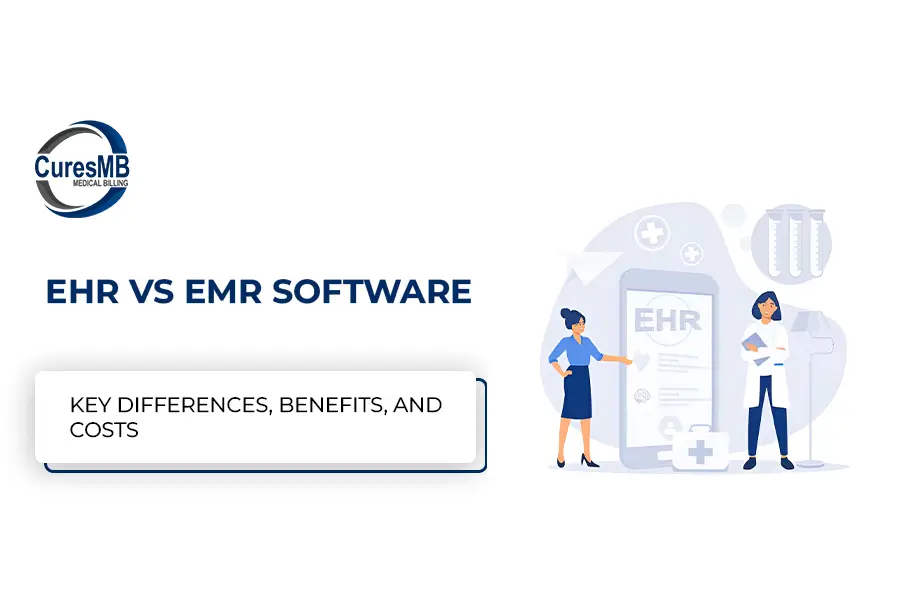
EHR (Electronic Health Record) and EMR (Electronic Medical Record) software are digital tools designed to manage patient information securely and efficiently. But regularly used interchangeably, they serve slightly different determinations.
Healthcare providers in New York understand the crucial role of medical billing in efficiently operating their practices. Medical billing involves submitting and following up on claims with health insurance companies to receive payment for services rendered to patients. It is a vital component of the healthcare industry as it ensures that providers receive proper compensation for their care.
Managing the billing process for mental health services, especially when treating individuals with Obsessive-Compulsive Disorder (OCD), can be challenging for therapists. It involves ensuring accurate coding, dealing with claim denials, and managing reimbursements from insurance companies, which are crucial for efficient medication management and OCD treatment plans.
If you’re scrambling to find the right ICD-10 codes for type 2 diabetes, you’re not alone. Coding errors can lead to claim denials, delayed payments, and even audits. As someone who’s trained hundreds of coders, I’ll break down the codes you need, with real-life examples. Let’s dive in!
When it comes to accurately coding mental health conditions like depression, understanding the intricacies of the ICD-10 code system is crucial. Proper coding not only ensures effective clinical communication but is also essential for billing and reimbursement purposes, making it vital for healthcare providers to avoid common errors that may lead to issues with insurance companies and compliance audits.
CPT code 96372 is used for billing when a healthcare provider administers a therapeutic, preventive, or diagnostic injection directly into a muscle (IM) or beneath the skin (subcutaneous route).This service is typically provided in a clinical setting, such as a physician’s office, hospital outpatient department, or urgent care facility.
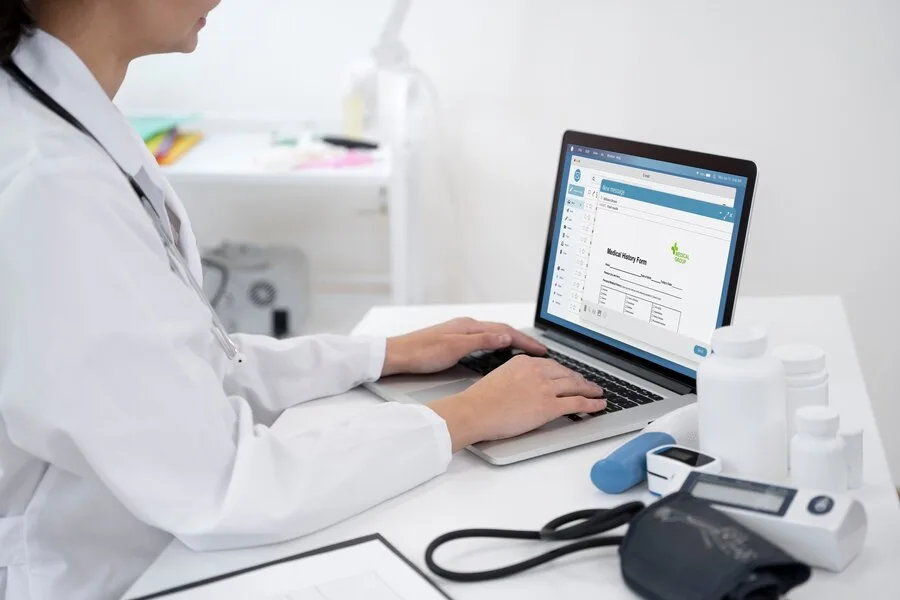
The impact of technology in home healthcare is profound, especially in the filed of billing. By utilizing electronic health records (EHR) systems, healthcare providers can streamline billing processes, ensuring accuracy and efficiency. These advancements in technology not only benefit healthcare providers but also provide a more personalized and enhanced experience for patients receiving home healthcare services.
Accurate ICD-10 coding is critical for healthcare providers and billers to avoid audits, ensure timely reimbursements, and maintain compliance. As an AAPC-certified coder with 12+ years of experience.
I have streamlined the most up-to-date codes for ear pain (otalgia) using the 2025 ICD-10-CM Official Guidelines. Below, you’ll find actionable insights to simplify your workflow.
Efficiency & precision in healthcare financial management with Cures Medical Billing, your trusted partner for smarter, faster, and more accurate billing solutions.