
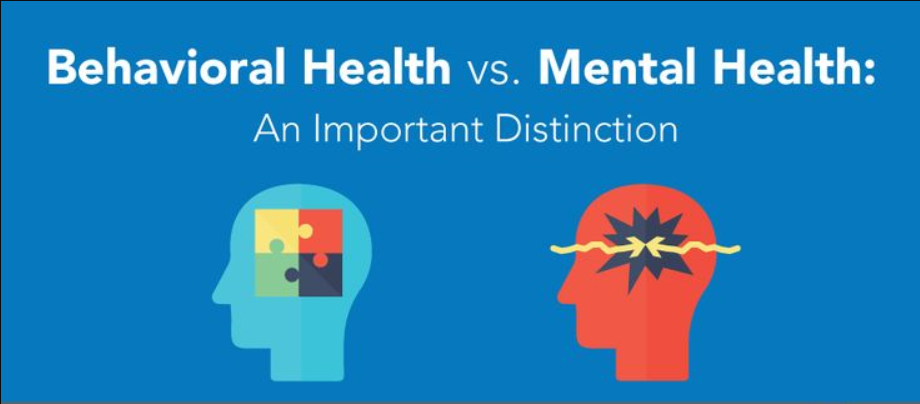
You have probably used both terms at some point. Behavioral health and mental health appear side by side in insurance policies, clinical forms, and healthcare conversations. Yet, the two are not identical — and the difference matters more than you might think. So, is behavioral health the same as mental health? The short answer is no. Let us explain clearly. Mental health is one part of behavioral health. Behavioral health is the broader category. It is important to know this distinction if you are a provider, a patient, or a billing professional. Misunderstanding the difference can affect how you code, bill, and get reimbursed for services. At Cures Medical Billing, our licensed specialists work with mental health and behavioral health providers across the United States — helping them maximize reimbursements and reduce claim denials every single day. What Is Mental Health and How Is It Defined? Mental health refers to a person’s emotional, psychological, and social well-being. It affects how you think, feel, and act. It also determines how you handle stress, relate to others, and make choices. Common mental health conditions include: You should know that mental health treatment often includes therapy, psychiatric medication, or a combination of both. Each service requires specific CPT codes and thorough documentation for successful billing. What Is Behavioral Health and How Is It Broader? Behavioral health is a term that covers mental health and also includes how a person’s behaviors affect their body and overall well-being. It goes beyond emotional or psychological conditions. Cures Medical Billing expert billing specialists help providers across both areas get accurate and timely reimbursements. Behavioral health includes: You can see that behavioral health is a wider lens. It looks at how a person’s actions and habits connect to their health — not just their emotions or thoughts. Why Does the Difference Matter for Billing and Insurance? You may be asking — why does this distinction matter for billing? It matters significantly because payers treat behavioral health and mental health services differently in many cases. Here is what you need to know: It is critical that your claims match the correct payer category. Cures Medical Billing licensed coding specialists ensure every claim goes to the right payer with the right codes. What Are the Key Differences Between Behavioral Health and Mental Health? You can use this clear comparison to understand the distinction: What Is Behavioral Health Therapy and How Is It Billed? Behavioral health therapy includes any treatment that addresses how a person’s behavior affects their health. You should know that therapy services must be documented carefully to meet payer requirements. Common behavioral health therapy services and their codes include: You need certified coders who know these codes well. A wrong code leads to a denial. A missing modifier leads to a payment delay. Does Behavioral Health Include Therapy? Yes — behavioral health absolutely includes therapy. In fact, therapy is one of the most common behavioral health services billed today. You should know that not all therapy sessions are coded the same way. The code you use depends on the session length, the provider type, and whether medication management is included. If you want to simplify the complexity of behavioral health billing, Cures Medical Billing expert RCM specialists provide end-to-end support — from eligibility verification to denial management. What Do Statistics Tell Us About Mental Health vs. Behavioral Health? The Substance Abuse and Mental Health Services Administration (SAMHSA) reports that approximately 21 percent of U.S. adults experience a mental illness each year, and nearly 9 percent have a substance use disorder. These numbers show why behavioral health — as a broader category — covers far more people than mental health alone. For a deeper academic context, you can explore the Mental Health overview on Wikipedia. Final Thoughts Mental health and behavioral health are related — but they are not the same. Behavioral health is the broader term. It covers mental health conditions and also includes substance use disorders, eating disorders, and health-influencing behaviors. For providers, understanding this difference is critical to accurate billing, correct coding, and proper payer communication. You do not need to navigate this alone. Cures Medical Billing connects you with certified billing professionals who specialize in mental health and behavioral health billing. Contact us today to reduce your denials, improve your cash flow, and spend more time on your patients.

What Is Behavioral Health? A Simple Guide
What Is Behavioral Health? A Simple Guide Call Us Leave a Message You may hear the term behavioral health in clinics, insurance forms, and healthcare conversations. Yet, many people still do not know exactly what it means or how it differs from mental health. So, what is behavioral health — and why does it matter to your practice and your patients? Let us break it down clearly. Behavioral health refers to the connection between a person’s behaviors and their overall physical, mental, and emotional well-being. It covers conditions like depression, anxiety, substance use disorders, eating disorders, and other mental health concerns that influence daily functioning. At Cures Medical Billing, our expert team understands the full scope of behavioral health billing, and we are here to help providers get paid accurately and on time. What Does Behavioral Health Include? Behavioral health is not limited to one condition or one specialty. You should know that it covers a wide range of mental and behavioral conditions. Here are the key areas it includes: Each of these conditions requires specialized care. It is equally important that providers receive accurate reimbursement for that care. What Is the Difference Between Behavioral Health and Mental Health? You might be wondering — are behavioral health and mental health the same thing? The answer is no, but they are closely related. Mental health refers specifically to emotional and psychological well-being. Behavioral health, on the other hand, is a broader term. It includes mental health but also covers how behaviors affect the body and overall health. For example, a person with poor sleep habits, unhealthy diet patterns, or substance dependency is a behavioral health concern — even if the primary diagnosis is not a psychiatric condition. It is also important to know that behavioral health billing requires specific codes and documentation. Cures Medical Billing licensed specialists handle mental health and behavioral health billing with precision and full compliance. Why Is Behavioral Health Important for Healthcare Providers? You should understand that behavioral health is one of the fastest-growing segments in healthcare today. Millions of Americans seek treatment for behavioral health conditions every year. Providers who treat these conditions face unique billing and coding challenges. Here is why behavioral health matters to your practice: You need a billing partner who understands these complexities. That is where expert support makes all the difference. What Are Behavioral Health Examples in Clinical Practice? You may want to know what behavioral health looks like in a real clinical setting. Here are a few common examples: Each of these services must be documented and coded correctly. An error in any step can lead to a claim denial or a compliance issue. How Does Behavioral Health Billing Work? Behavioral health billing follows the same basic steps as medical billing, but it has its own set of rules. You should work with Cures Medical Billing expert billing team to navigate these steps without errors. Here is how the billing process works for behavioral health providers: You should know that a single missing modifier or incorrect code can delay your payment for weeks. That is why accurate billing support is not optional — it is essential. What Is the Role of Behavioral Health in Revenue Cycle Management? Revenue cycle management, or RCM, covers every step from patient registration to final payment. For behavioral health providers, Cures Medical Billing specialist RCM solutions ensure every service is billed correctly, every denial is addressed, and every dollar is recovered. It is important to know that behavioral health providers often face higher denial rates than other specialties. The reasons include: You need a team that monitors every claim, every step of the way. How Can You Improve Behavioral Health Billing at Your Practice? You can take several steps to reduce errors and improve cash flow: If you want to simplify all of these steps, Cures Medical Billing licensed billing experts are ready to take over your entire billing process — so you can focus on patient care. What Does Research Say About Behavioral Health in the United States? According to the National Institute of Mental Health, nearly one in five adults in the United States live with a mental illness. Behavioral health services are in high demand, and providers need strong billing systems to serve this population effectively. For more context on behavioral health as a field, you can visit the Behavioral Sciences overview on Wikipedia. Final Thoughts Behavioral health is a broad and important field. It covers everything from anxiety and depression to substance use and chronic behavioral patterns. For providers in this specialty, accurate billing is as critical as clinical expertise. You deserve a billing partner who understands your specialty, follows compliance rules, and fights for every reimbursement you earn. Reach out to Cures Medical Billing today — and let our certified specialists handle your billing so you can focus on what matters most: your patients.
CPT Code 99222 – Complete Billing Guide Rules, Reimbursement & Documentation Tips
CPT Code 99222 is an important inpatient evaluation and management (E/M) service. Used by physicians and qualified healthcare professionals. As the initial hospital care code in the middle complexity level 99222 are used.